35 Minutes in Shenzhen — Why Duty-Free Operators Are Staying Cautious
2026-11-22 1:06 PM
Overview
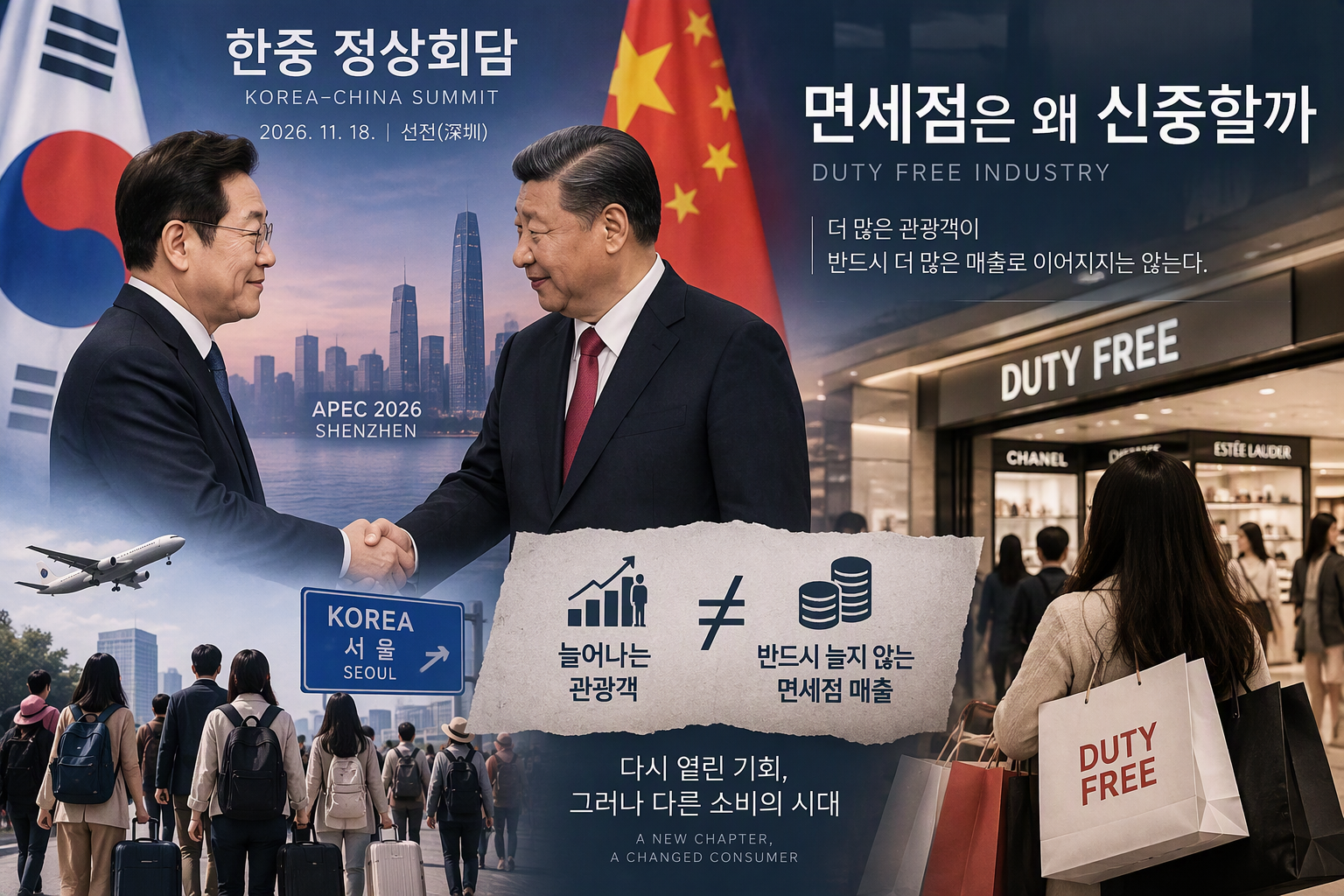
At the November 18 Korea-China summit in Shenzhen, the two sides declared a substantive conclusion to the Korea-China FTA services and investment follow-up talks and agreed to let Korean travel agencies recruit tourists directly in 23 Chinese regions. Hopes for a Chinese group-tour recovery have resurfaced, but the duty-free industry believes the old formula — more tourists, more duty-free sales — no longer holds, given the exchange rate and shifting spending patterns. The piece also looks at why travel agencies, distribution companies, and department stores may feel the effects before duty-free does.
The Korea-China summit held in Shenzhen on November 18, 2026, and the duty-free industry's outlook
The Korea-China summit held on the sidelines of the APEC meeting in Shenzhen, China, on November 18 ran for 35 minutes. It was the third summit between President Lee Jae-myung and President Xi Jinping (after Gyeongju in November 2025 and Beijing in January 2026), and at this meeting the two sides declared a substantive conclusion to the Korea-China FTA services and investment follow-up negotiations. Talks that began in March 2018 have effectively entered their final stage after about eight years and eight months. Korea's Ministry of Trade, Industry and Energy expects this conclusion to further widen the ground for business activity between the two countries in content, tourism, finance, distribution, and other sectors.
On the surface, this is welcome news for the tourism and distribution industries. Hopes for a recovery in Chinese group tours (yukeo) in particular have resurfaced. But the duty-free industry itself is a mix of hope and caution. That's because a similar wave of optimism followed the Beijing summit earlier this year, yet the earnings impact that was actually felt proved limited. Not a few in the industry are watching, with a cooler eye, whether this agreement will actually translate into higher consumption and sales.
What Actually Changes This Time
Two changes from the follow-up negotiations bear directly on tourism and distribution.
The first is in tourism. Korean travel agencies established in 23 regions of China will be able to run outbound tourism businesses, arranging overseas trips for Chinese residents and foreign nationals living in China. Until now, Korean agencies had to work through local travel agencies or rely on partnership structures; going forward, there is an institutional basis for Korean agencies to recruit group tourists directly on the ground in China and sell individual travel packages themselves.
The second is in distribution. Companies operating 30 or more stores in China will be able to run their stores independently, without setting up a joint venture with a Chinese partner. The ministry expects this to help Korean distribution, fashion, and beauty companies enter and expand in the Chinese market while keeping their brand identity intact.
The agreement also includes most-favored-nation (MFN) treatment and a non-discrimination principle for film and games, and it widens the scope of audiovisual co-production from film alone to dramas, animation, variety shows, and documentaries. Still, this is only a "substantive conclusion." Both countries still need to complete legal review of the treaty text and finalize technical wording, and the formal signing and ratification process remains ahead. A system being put in place is a separate matter from market participants actually putting it to use.
The reason the duty-free industry is viewing this agreement cautiously lies in a structural shift that has been building for several years. China remains Korea's largest source of tourists: in 2025, Chinese visitors numbered 5.48 million, the largest of any nationality visiting Korea. But that growth in visitor numbers hasn't translated directly into stronger duty-free results.
According to figures compiled by the Korea Duty Free Shops Association, domestic duty-free sales from January through November 2025 came to about KRW 11.41 trillion, down 12% from a year earlier. Over the same period, the number of foreign buyers rose, but spending per buyer actually fell. Per-capita duty-free spending by foreign visitors dropped from roughly KRW 1.27 million in 2019 to roughly KRW 880,000 in the January-September 2025 period.
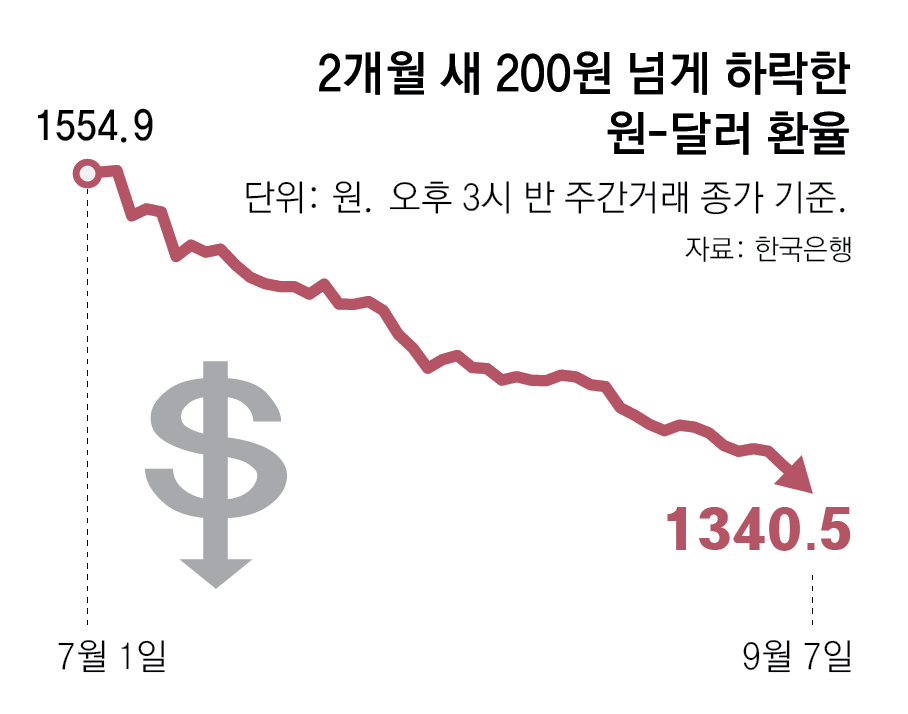
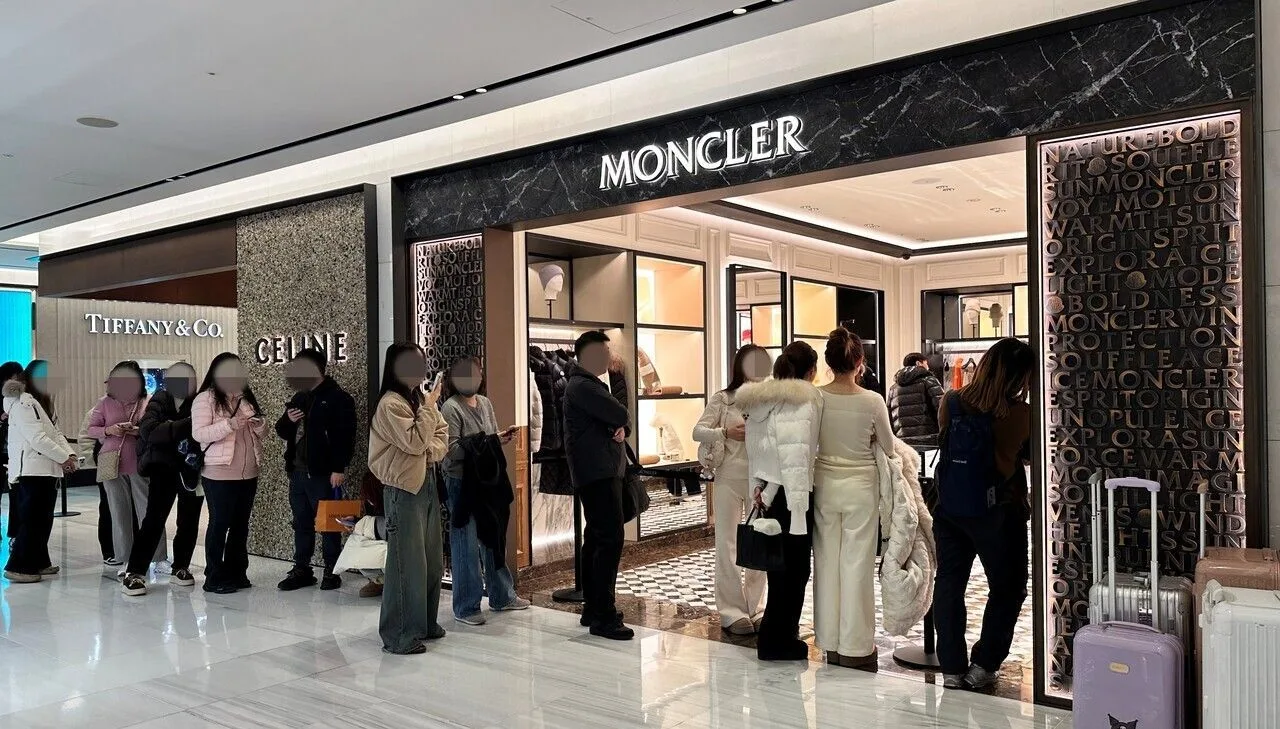
The industry points to two main causes. The first is the exchange rate. Much of what duty-free stores sell is priced on a dollar basis, and with the won-dollar rate staying elevated recently, analysts say duty-free pricing has lost much of its old price advantage. The second is a shift in spending patterns. Bulk buying by Chinese group tourists and daigou resellers used to carry duty-free results, but the market has recently reorganized around free independent travelers (FIT), and their shopping destinations have diversified accordingly. Industry observers broadly agree that spending has clearly scattered toward Olive Young, Daiso, multi-brand boutiques, department stores, and local brand stores. Anyone who has seen the lines of Chinese tourists outside roadside shops in Myeongdong or the Hongdae alleys will find this shift familiar. In the end, a rise in visitor numbers alone is no longer enough to guarantee better duty-free results.
Duty-Free and Department Stores May Feel the Effects Differently
The sectors most likely to see an immediate benefit from this FTA follow-up agreement are, somewhat counterintuitively, travel agencies and distribution companies running operations in China — more so than duty-free. Travel agencies gain more autonomy in product planning and sales now that they can recruit customers directly, and with a wider channel to sell Korean travel products directly inside China, they can expect new revenue opportunities. Distribution companies also see some barriers to entering the Chinese market eased. Since companies with 30 or more stores can now open independently, this could affect the longer-term China strategies of distribution, fashion, and beauty companies as well.
Korean duty-free operators, by contrast, still face the tasks of restructuring and improving profitability. Shilla and Shinsegae both returned part of their Incheon Airport duty-free concessions this year, and all four major duty-free operators continue to shrink downtown stores and run voluntary retirement programs as part of broader efforts to improve their cost structure. A single tailwind from this agreement is unlikely to reverse that direction on its own.
Department stores may see a somewhat different picture. If travel agencies' direct recruiting takes off and group tours expand, shopping stops in core commercial districts such as Myeongdong and Gangnam could once again be built back into tour packages. Flagship department stores and complex malls with a high share of foreign sales may feel the benefit relatively sooner. But this, too, depends on how much Chinese group-tour demand actually recovers. Speaking practically, anyone responsible for the Myeongdong or Gangnam retail districts should watch both the timing of changes in travel agencies' package composition and the trend in the FIT share of visitors to gauge next quarter's foreign-visitor sales.
✦RIT's Insights
This announcement can be read as a signal of expanding Korea-China economic cooperation, but what matters more for the market is when the agreement is formally signed and takes effect. A substantive conclusion and actual implementation can be separated by a considerable stretch of time, and travel agencies designing new products and building sales networks won't finish that work quickly either. So I expect the effects of this agreement to show up first in actual tourist flow and spending data from sometime after the first half of 2027, rather than right after the summit. The question the market should be asking isn't whether Chinese tourists will increase again, but whether the tourists who do come will head to duty-free stores the way they once did — and until that question is answered, with spending patterns already having shifted, the duty-free industry's cautious stance isn't likely to change easily.
Ministry of Trade, Industry and Energy press release, "Substantive Conclusion of the Korea-China FTA Services and Investment Follow-Up Negotiations" (2026-11-18)
Korea Duty Free Shops Association figures, domestic duty-free sales statistics, January-November 2025